
Tips for Selecting High-Quality Italian Red Wines
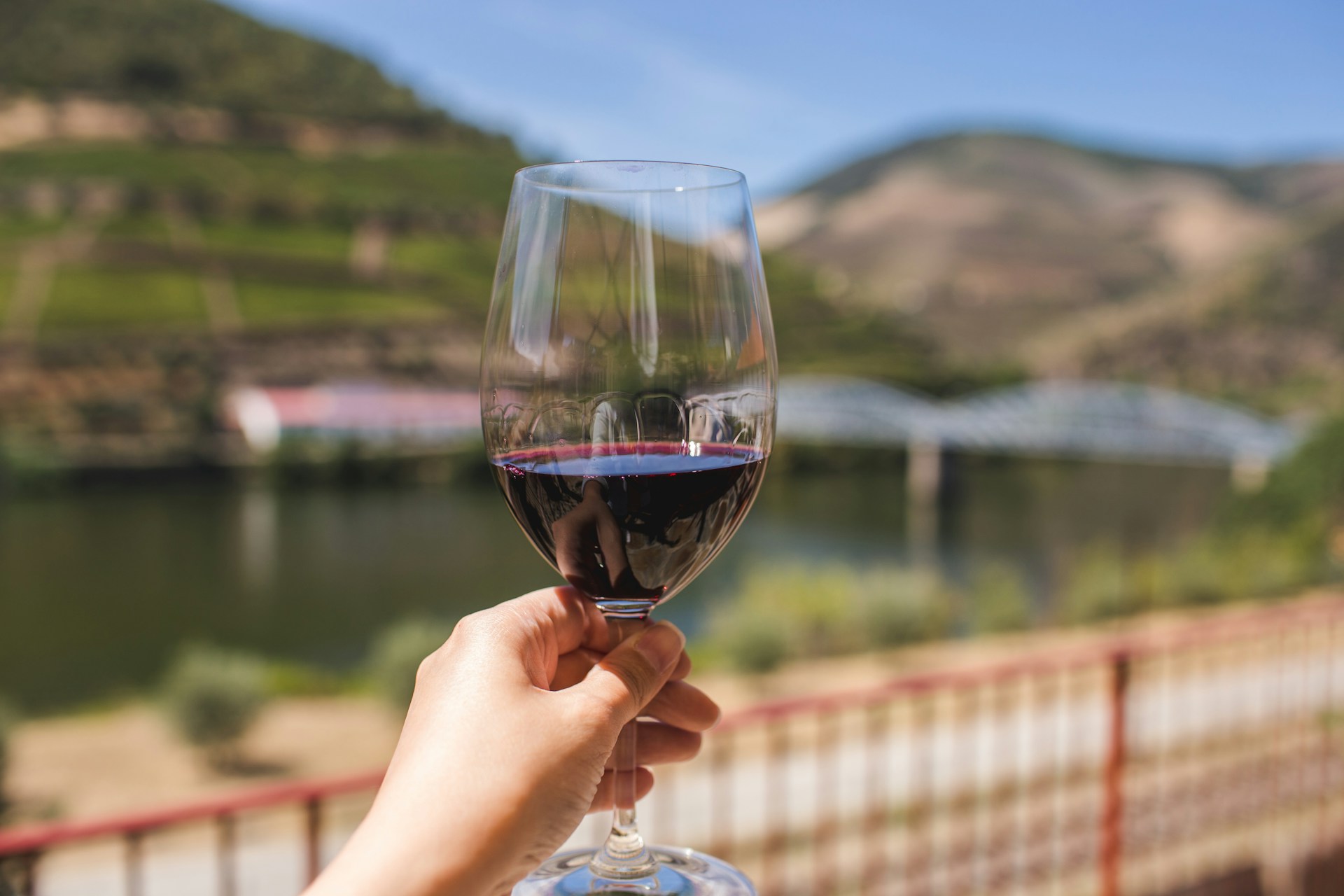
Italian red wines command respect in cellars, auctions, and dining rooms across the globe. From structured Nebbiolo to vibrant Sangiovese, Italy delivers depth, aging capacity, and sensory drama that few countries rival. Buyers, however, often face confusion when scanning labels filled with vineyard names, vintage dates, and regional classifications. Learning from a historic winery such as Scarpa, featured in this detailed profile on WineNews, helps sharpen perspective and purchasing judgment. With insight drawn from tradition, vineyard precision, and disciplined production, selecting the right bottle becomes less guesswork and more informed strategy. If you aim to buy Italian reds that age gracefully and deliver layered aromas, the following guidance will refine your decision-making process significantly.
Understand Regional Distinctions and Appellations
Italy’s wine landscape is shaped by its appellation system, which categorizes wines based on origin and production standards. Labels marked DOCG (Denominazione di-Origine Controllata e Garantita) indicate strict regulations on grape varieties, yields, and aging requirements. Regions such as Piedmont and Tuscany produce some of the country’s most structured and age-worthy reds. In Piedmont, Barolo and Barbaresco rely on Nebbiolo, a grape known for firm tannins, floral tones, and extended longevity. Tuscany offers Brunello di Montalcino and Chianti Classico, built primarily on Sangiovese, delivering acidity and savory depth. Studying appellations helps buyers identify quality tiers and anticipate flavor profiles before opening the bottle.
Examine the Producer’s Heritage and Vineyard Sources
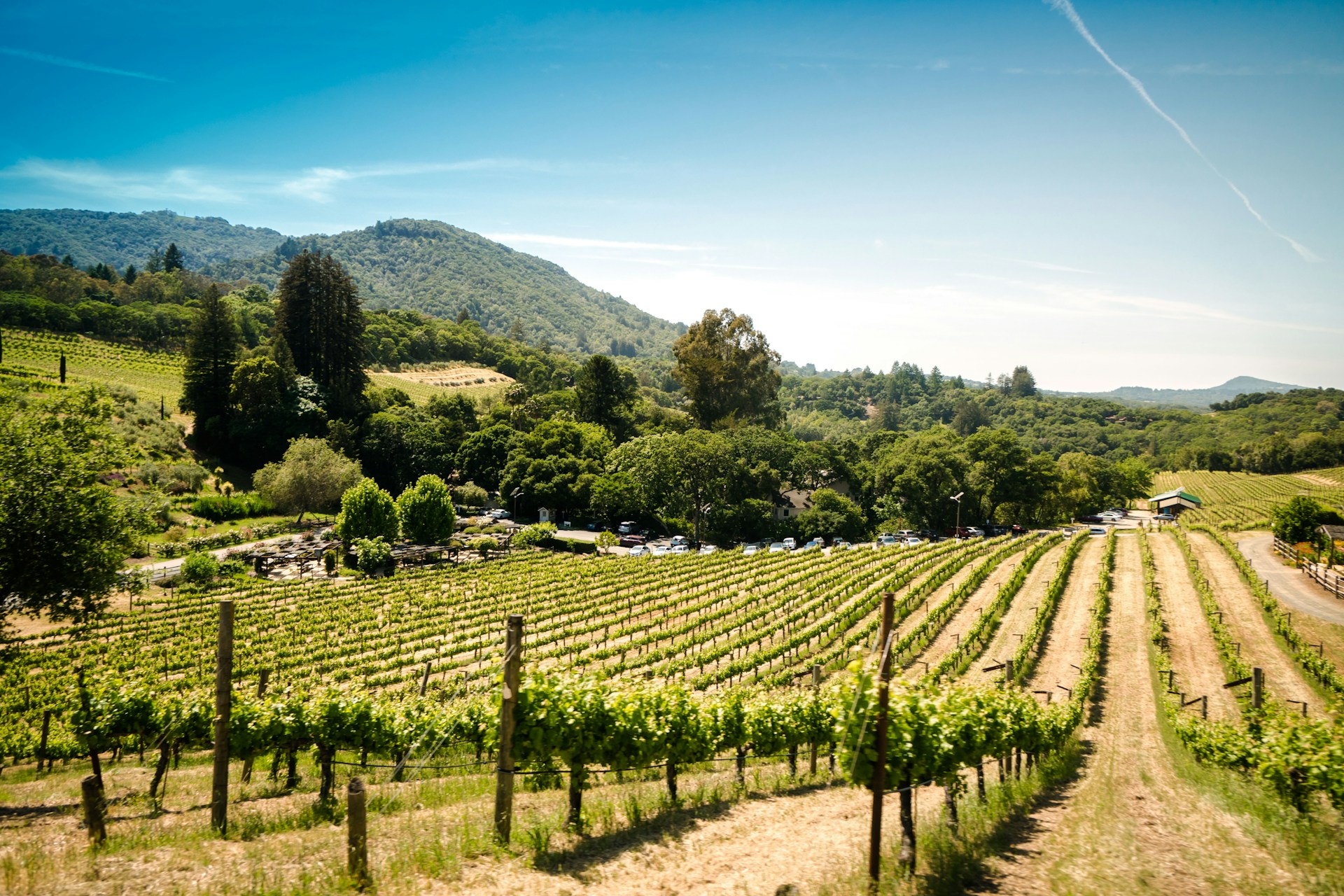
A winery’s history and vineyard ownership often signal consistency and long-term credibility. Estates that control their own vineyards maintain greater influence over grape quality and harvesting decisions. Single-vineyard bottlings frequently display clearer site expression compared to blended sources from multiple growers. Research producers with a sustained track record, especially those that modernized thoughtfully while respecting tradition. A disciplined estate tends to refine vineyard management year after year, resulting in wines that display precision rather than excess. Reliable producers invest in soil health, balanced yields, and patient aging practices, all of which contribute to refined structure and aromatic clarity.
Evaluate the Vintage and Aging Potential
Vintage conditions significantly impact Italian red wines, especially in regions reliant on climate-sensitive grapes such as Nebbiolo. Warmer years may deliver softer tannins and earlier accessibility, while cooler vintages often produce firmer structure and longer cellaring capacity. Before purchasing, review vintage reports from respected critics or trade publications. Some bottles are ready for immediate enjoyment, while others demand extended aging to reach harmony. High-quality Italian reds frequently benefit from several years of bottle development, during which tannins integrate and secondary aromas emerge. Buyers who align their drinking timeline with the wine’s maturity curve make wiser investments.
Analyze Structure, Balance, and Aromatic Complexity
Premium Italian reds are defined by structure, acidity, tannin composition, and layered aromas. Nebbiolo-based wines often reveal rose, tar, red fruit, and spice, supported by firm tannins that evolve gradually. Sangiovese-driven wines display cherry, earth, and herbal nuances, supported by bright acidity. When evaluating a bottle, consider how these elements interact rather than focusing on intensity alone. Alcohol should complement, not overpower. Tannins should frame the palate without harshness. Balance signals craftsmanship, while disjointed components suggest rushed production or poor grape selection. Structured wines with harmony and persistence tend to age more gracefully.
Review Label Details and Classification Clues
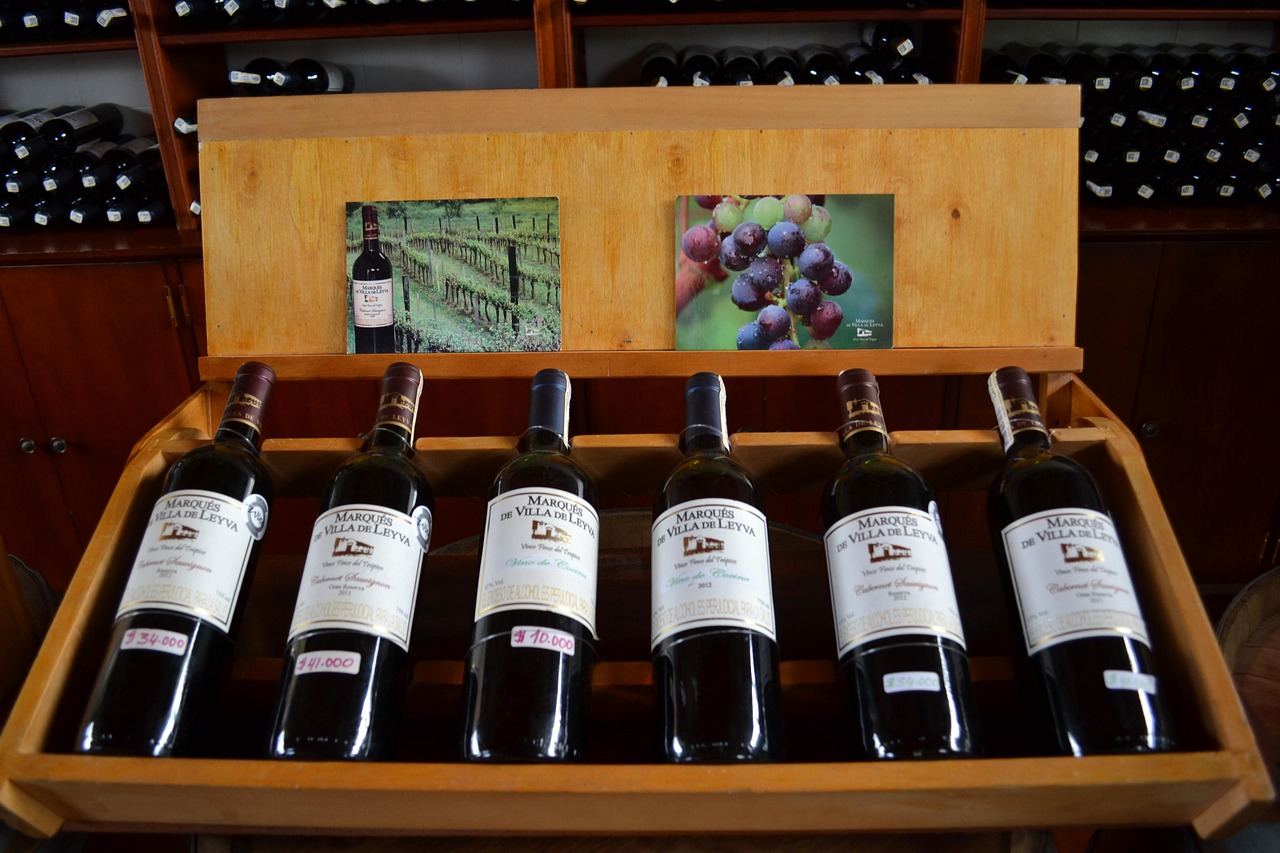
Italian wine labels carry valuable information beyond brand names. Vineyard mentions, aging designations, and subzone references provide insight into origin and production style. Terms such as “Riserva” indicate extended aging requirements, which may contribute additional depth and polish. Pay attention to vineyard names that appear consistently across vintages, as these often highlight respected sites. Importer information and bottling details also offer transparency. Serious producers disclose meaningful data rather than relying solely on marketing appeal. Understanding label terminology equips buyers to distinguish serious craftsmanship from mass-market offerings.
Consider Storage and Purchasing Channels
Even a well-made bottle can deteriorate if stored poorly before purchase. Seek reputable wine merchants who maintain temperature-controlled environments and handle inventory carefully. Avoid bottles exposed to excessive heat or light. If buying older vintages, confirm provenance and storage history whenever possible. Auction platforms, specialty retailers, and direct winery purchases often provide higher reliability than casual outlets. Collectors investing in cellar-worthy Italian reds should prioritize consistent storage conditions after purchase, maintaining cool, stable temperatures to protect quality over time.
Selecting high-quality Italian red wines requires attention to origin, producer credibility, vintage conditions, structure, and storage history. By studying appellations, examining vineyard sources, assessing balance, and understanding label details, buyers gain clarity and confidence in their selections. Italian reds reward patience, offering evolving aromas and refined texture as they mature. Thoughtful purchasing decisions lead to bottles that express regional character and craftsmanship, delivering both immediate pleasure and long-term cellaring potential.